
Ocular migraines, a mysterious affliction for many, can manifest as unsettling visual phenomena. These episodes, marked by shimmering lights and transient vision loss, often leave sufferers bewildered. What triggers these elusive migraines? Let's dive into the world of ocular migraines and uncover their causes.
The Visual Symphony: Decoding the Aura Phenomenon
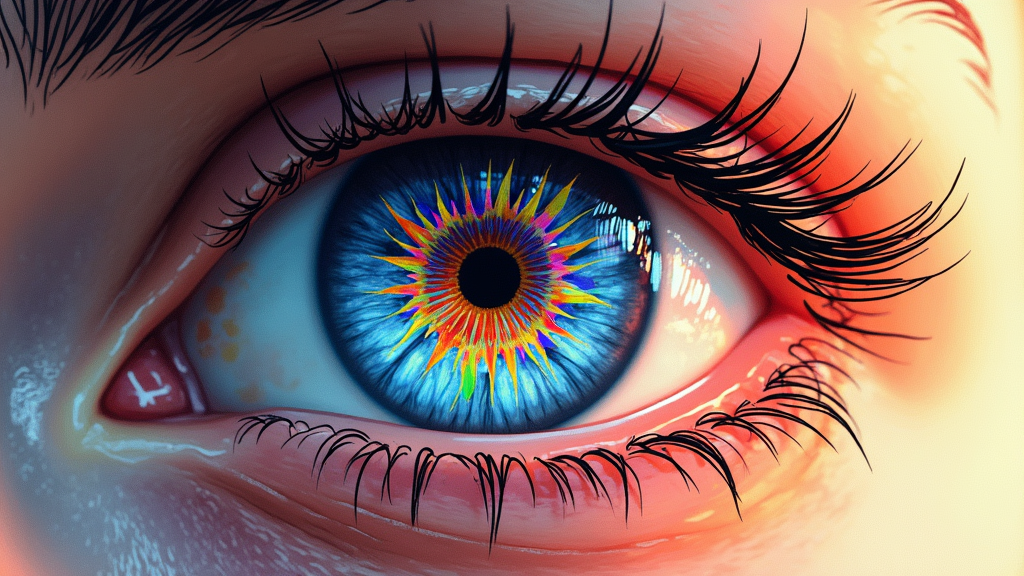
Ocular migraines often begin with a visual aura—a temporary disturbance characterized by zigzag patterns, blinking lights, or a kaleidoscope of colors. This spectacle is a result of wave-like changes in the neuron activities of the brain's visual cortex. When Mary, a graphic designer, experienced her first aura during a crucial project deadline, she thought she was seeing glitches in her software. Instead, her neurons were crafting a performance of their own.
Genetic Factors: Inherited Puzzles
It's not uncommon for ocular migraines to be part of a familial legacy. Genetic predispositions heavily influence the likelihood of experiencing these migraines. John, a university student, discovered his mysterious spells were shared with his grandmother, revealing a genetic mosaic interwoven with triggers waiting to ignite. As scientists continue to decode our genes, understanding how these hereditary links contribute to ocular migraines could illuminate preventative pathways.
Vascular Theories: Blood Vessels in the Spotlight
The prevailing theory suggests that changes in blood vessel width and flow may instigate ocular migraines. During these episodes, brief spasms in the blood vessels may reduce blood flow to the visual cortex. When Lisa, an avid runner, noticed her migraines often followed intensive workouts, it underscored how vascular fluctuations might fan the flames of these attacks as her system reverted to balance post-workout.
Hormonal Harmony: The Gendered Connection
Hormonal shifts, notably in women, have been linked to an uptick in migraine phenomena. Be it the ebb and flow of estrogen during menstrual cycles or hormonal treatments, these changes can act as trigger mechanisms. Sarah, initially clueless about the timing of her ocular migraines, began to see a pattern emerge with her menstrual cycle—a cycle intertwined with migraine episodes prompted by hormonally-induced snapshots in susceptibility.
Stress and Anxiety: The Silent Catalysts
The relationship between stress and migraines is well-documented. Stressful events can trigger an array of physiological responses, setting the stage for migraines by altering neurotransmitter release and vascular tone. Mark, a young professional in a high-pressure job, found his migraines coinciding with looming work deadlines, his brain reacting to stress signals with pronounced visual disruptions.
Environmental Triggers: The World Around Us
External stimuli such as bright lights, loud sounds, and abrupt temperature changes can act as catalysts for ocular migraines. As Emily, an architect with a keen eye for detail, navigated city life, she found her episodes often followed exposure to unexpected sensory environments—flashing urban lights or the sudden drop in workplace temperature setting off an invisible trigger deep within her.
The Road to Relief: Management and Prevention
Understanding personal triggers and adopting lifestyle adjustments can significantly alleviate the burden of ocular migraines. Treatments may include dietary changes, stress management techniques, and ensuring consistent sleep patterns. Julia's journey toward relief involved a comprehensive approach: tracking her triggers in a journal allowed her to avoid potential episodes by maintaining equilibrium in her daily life.